Dashboard / BELGIAN CATEGORY B
Sign inCreate account
← Defensive & ecological driving
Apply the lesson · Standard

Defensive & ecological driving · Standard

Educational difficulty is separate from the legal penalty. These are original practice questions, not official examination items.

Lesson

Anticipating traffic helps avoid unnecessary acceleration and hard braking.

Remove an unused roof rack to reduce aerodynamic drag and fuel use.

Look well ahead and plan a safe escape space.

In fog, reduce speed and use appropriate lights rather than relying on the vehicle ahead.

Respecting tyre-pressure recommendations helps safety and efficient fuel use.

Regulatory source ↗

Apply the lesson · 7

Question 1

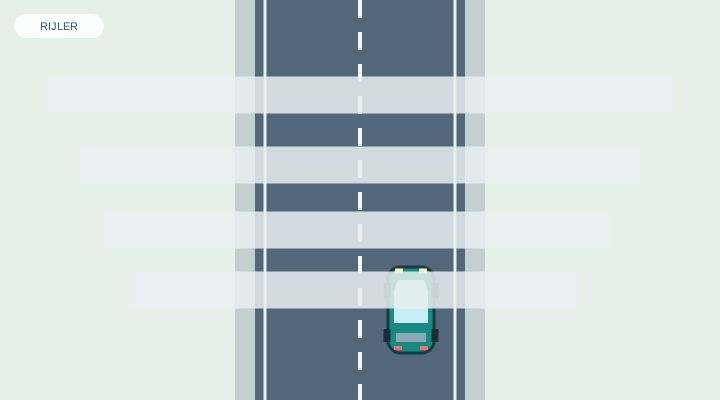
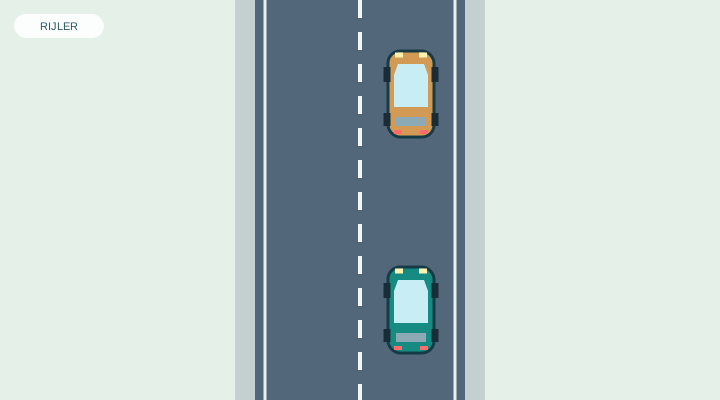
Far ahead, vehicles begin slowing for a red light. Which driving style avoids unnecessary energy use?
Anticipating traffic
Anticipating trafficOriginal educational diagram · not to scale. Read the question for all conditions.
  1. Accelerate until the last moment, then brake hard.
  2. Repeatedly accelerate and brake to keep the engine warm.
  3. Anticipating traffic helps avoid unnecessary acceleration and hard braking.
Show the answer and explanation

Correct answer: C

Anticipating traffic helps avoid unnecessary acceleration and hard braking.

Regulatory source ↗
Question 2

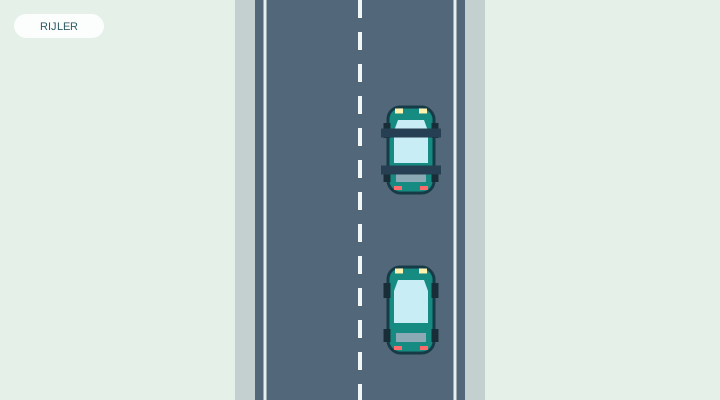
Your holiday is over and the roof rack is empty. Which change can reduce aerodynamic drag?

Roof rack
Roof rackOriginal educational diagram · not to scale. Read the question for all conditions.
  1. Remove an unused roof rack to reduce aerodynamic drag and fuel use.
  2. Keep it fitted because empty racks have no drag.
  3. Add unnecessary weight to improve fuel economy.
Show the answer and explanation

Correct answer: A

Remove an unused roof rack to reduce aerodynamic drag and fuel use.

Regulatory source ↗
Question 3

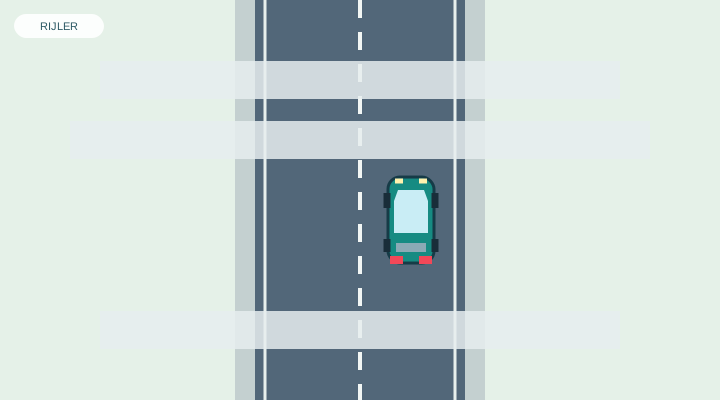
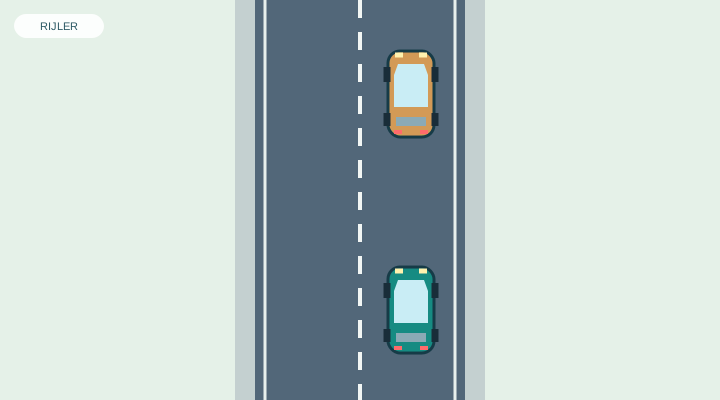
The car directly ahead hides part of your view. What observation strategy helps defensive driving?

Looking ahead
Looking aheadOriginal educational diagram · not to scale. Read the question for all conditions.
  1. Watch only its number plate.
  2. Look well ahead and plan a safe escape space.
  3. Reduce the gap until you can see through its windows.
Show the answer and explanation

Correct answer: B

Look well ahead and plan a safe escape space.

Regulatory source ↗
Question 4

Fog thickens and you can barely see the car ahead. Is following its tail lights closely a safe plan?

Lights in fog
Lights in fogOriginal educational diagram · not to scale. Read the question for all conditions.
  1. Yes, its driver will choose a safe speed for you.
  2. Yes, the closer you are, the more reaction time you have.
  3. In fog, reduce speed and use appropriate lights rather than relying on the vehicle ahead.
Show the answer and explanation

Correct answer: C

In fog, reduce speed and use appropriate lights rather than relying on the vehicle ahead.

Regulatory source ↗
Question 5

A tyre is underinflated compared with the manufacturer’s recommendation. What should guide your maintenance?

Tyre pressure
Tyre pressureOriginal educational diagram · not to scale. Read the question for all conditions.
  1. Respecting tyre-pressure recommendations helps safety and efficient fuel use.
  2. Use the same arbitrary pressure for every vehicle.
  3. Ignore pressure if the tyres look round.
Show the answer and explanation

Correct answer: A

Respecting tyre-pressure recommendations helps safety and efficient fuel use.

Regulatory source ↗
Question 6

Your car has rear fog lights. Fog reduces visibility to around 70 metres. What should you do?

Rear fog lights
Rear fog lightsOriginal educational diagram · not to scale. Read the question for all conditions.
  1. Leave all rear lights off to avoid glare.
  2. Use rear fog lights only in clear weather.
  3. Use the rear fog lights and adapt speed and distance.
Show the answer and explanation

Correct answer: C

When fitted, rear fog lights must be used in fog or snowfall reducing visibility to less than about 100 metres, and in heavy rain. Do not use them in other conditions: their brightness can dazzle following drivers.

Regulatory source ↗
Question 7

The fog has cleared and it is neither snowing nor raining heavily. Should rear fog lights stay on?

Rear fog lights
Rear fog lightsOriginal educational diagram · not to scale. Read the question for all conditions.
  1. No; switch them off in these conditions.
  2. Yes, leave them on permanently for visibility.
  3. Yes, if another vehicle follows closely.
Show the answer and explanation

Correct answer: A

When fitted, rear fog lights must be used in fog or snowfall reducing visibility to less than about 100 metres, and in heavy rain. Do not use them in other conditions: their brightness can dazzle following drivers.

Regulatory source ↗