Dashboard / BELGIAN CATEGORY B
Sign inCreate account
← Speed & safe distance
Apply the lesson · Standard

Speed & safe distance · Standard

Educational difficulty is separate from the legal penalty. These are original practice questions, not official examination items.

Lesson

Even below the speed limit, reduce speed when visibility or grip deteriorates.

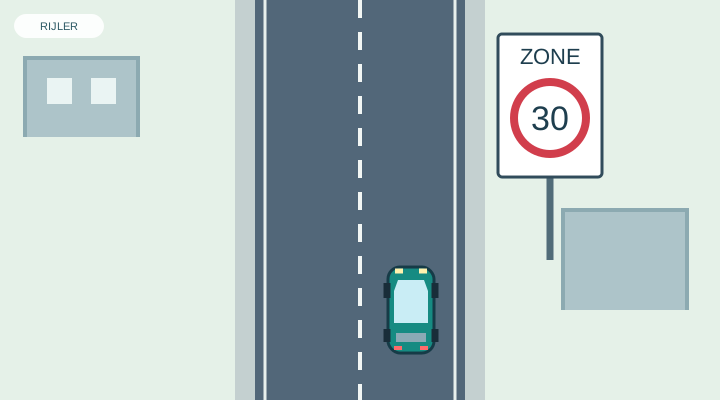
In a signed 30 km/h zone, 30 km/h is the maximum, not a target.

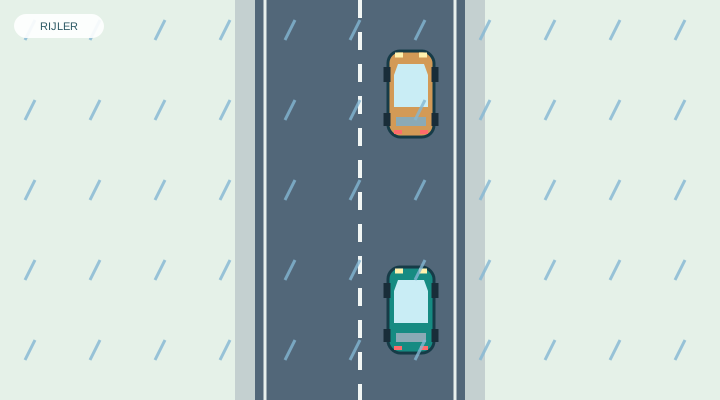
Increase your following distance in rain.

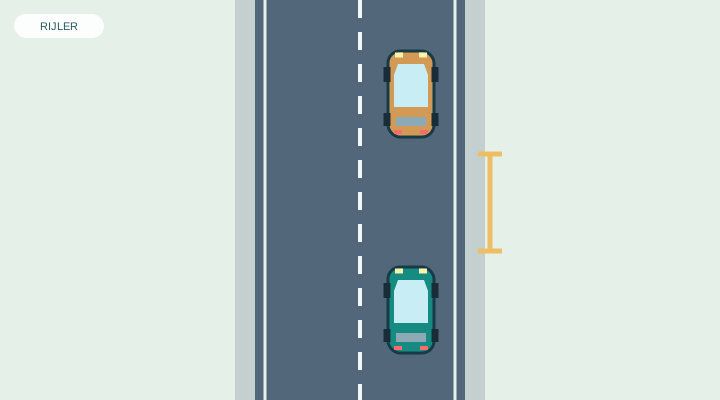
Your stopping distance includes reaction distance and braking distance.

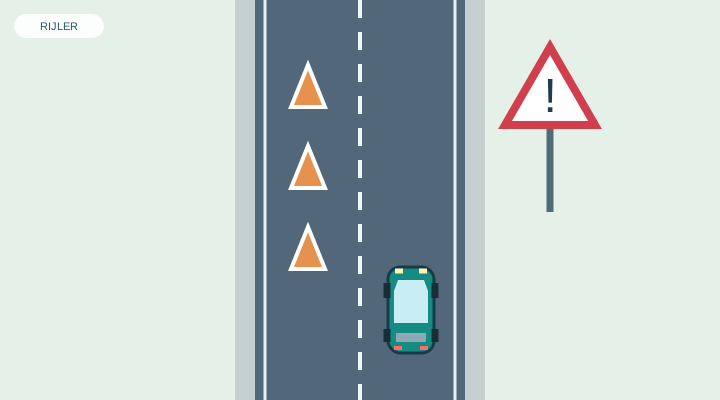
A temporary lower speed limit must be respected at roadworks.

For an ordinary passenger car, the default built-up-area limit is 50 km/h in Flanders and Wallonia, but 30 km/h in Brussels. Signs can impose a different limit.

Outside built-up areas, on an ordinary two-way road with no different limit sign, a passenger car is limited to 70 km/h in Flanders and 90 km/h in Wallonia.

On a motorway, an ordinary passenger car is generally limited to 120 km/h unless a lower limit applies. Always adapt speed to conditions.

Regulatory source ↗
Apply the lesson · 7

Question 1

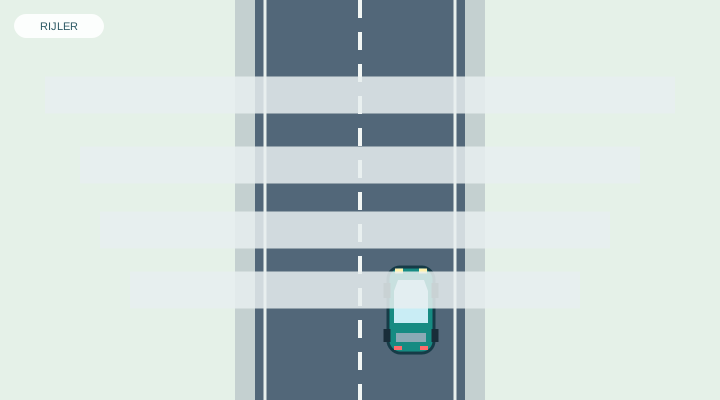
You are below the posted maximum when thick fog suddenly reduces your view. What should change?

Reduced visibility
Reduced visibilityOriginal educational diagram · not to scale. Read the question for all conditions.
  1. Maintain speed because it is legally below the maximum.
  2. Even below the speed limit, reduce speed when visibility or grip deteriorates.
  3. Move closer to the vehicle ahead to see better.
Show the answer and explanation

Correct answer: B

Even below the speed limit, reduce speed when visibility or grip deteriorates.

Regulatory source ↗
Question 2

In a signed zone 30, children stand beside the road. Must you always drive at exactly 30 km/h?

Zone 30
Zone 30Original educational diagram · not to scale. Read the question for all conditions.
  1. Yes, 30 is a compulsory target speed.
  2. Yes, unless a child already stands in your lane.
  3. In a signed 30 km/h zone, 30 km/h is the maximum, not a target.
Show the answer and explanation

Correct answer: C

In a signed 30 km/h zone, 30 km/h is the maximum, not a target.

Regulatory source ↗
Question 3

Rain begins while you follow a delivery van. What should happen to your safety gap?

Following in rain
Following in rainOriginal educational diagram · not to scale. Read the question for all conditions.
  1. Increase your following distance in rain.
  2. Shorten it so nobody enters the gap.
  3. Use the same gap regardless of grip.
Show the answer and explanation

Correct answer: A

Increase your following distance in rain.

Regulatory source ↗
Question 4

A hazard appears. Before the brakes act, your car travels while you notice and react. Is that travel part of stopping distance?

Reaction and braking space
Reaction and braking spaceOriginal educational diagram · not to scale. Read the question for all conditions.
  1. Only travel after braking begins counts.
  2. Your stopping distance includes reaction distance and braking distance.
  3. Reaction distance disappears if the brakes are new.
Show the answer and explanation

Correct answer: B

Your stopping distance includes reaction distance and braking distance.

Regulatory source ↗
Question 5

At roadworks, a temporary lower limit replaces the usual higher limit. Workers are not visible. Which limit matters?

Roadworks
RoadworksOriginal educational diagram · not to scale. Read the question for all conditions.
  1. The normal higher limit when no workers are visible.
  2. Any speed that the car ahead chooses.
  3. A temporary lower speed limit must be respected at roadworks.
Show the answer and explanation

Correct answer: C

A temporary lower speed limit must be respected at roadworks.

Regulatory source ↗
Question 6

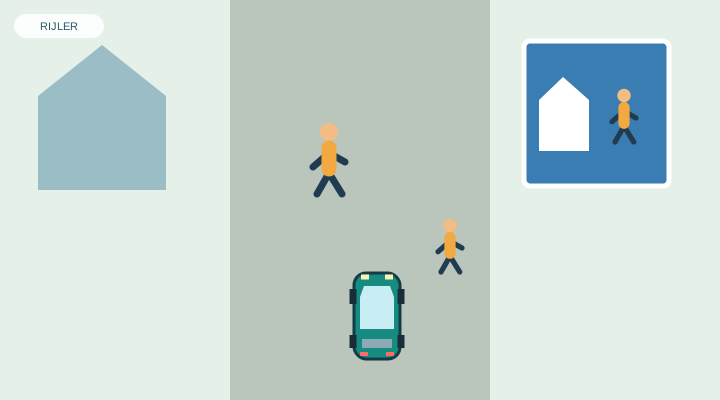
You enter a signed residential/meeting zone (F12a). What maximum applies to your car?

Residential and meeting zones
Residential and meeting zonesOriginal educational diagram · not to scale. Read the question for all conditions.
  1. 30 km/h
  2. 20 km/h
  3. 50 km/h
Show the answer and explanation

Correct answer: B

In a signed residential or meeting zone, the maximum is 20 km/h. Pedestrians may use the full width; drivers must not endanger or hinder them and must stop when needed. This is a different regime from zone 30.

Regulatory source ↗
Question 7

In a signed meeting zone a pedestrian uses the middle of the street. What applies?

Residential and meeting zones
Residential and meeting zonesOriginal educational diagram · not to scale. Read the question for all conditions.
  1. Force them onto the pavement with the horn.
  2. Accelerate because cars always have priority there.
  3. Pedestrians may use the full width; avoid hindering them and stop if needed.
Show the answer and explanation

Correct answer: C

In a signed residential or meeting zone, the maximum is 20 km/h. Pedestrians may use the full width; drivers must not endanger or hinder them and must stop when needed. This is a different regime from zone 30.

Regulatory source ↗